
Why Two People With the Same Symptoms May Need Different Remedies

It is one of the first things that surprises people about homeopathy. Two people walk in describing what sounds like the same problem — the same headache, the same low mood, the same restless nights — and they may leave with two completely different remedies. To anyone used to conventional medicine, where a diagnosis usually points to a standard treatment, this can seem baffling. This post explains the idea behind it: a principle homeopaths call individualisation.
This is an explanation of method, not treatment advice. It describes how homeopaths think, so that the approach makes sense before you ever sit down for a consultation.
The label is not the whole story
In much of modern medicine, the name of the condition largely determines what happens next. The same diagnosis tends to lead to the same protocol, which is one of conventional medicine's great strengths: it is consistent and scalable.
Homeopathy works from a different starting point. A homeopath is less interested in the name of the complaint and more interested in the precise, individual way a person experiences it. The complaint is the doorway; the detail is what matters.
Consider two people who both say "I get headaches."
One describes a throbbing pain that comes on in stuffy rooms, eases in fresh air, and arrives alongside tearfulness and a longing for company.
The other describes a tight, bursting pain that is worse from any movement, comes with intense thirst and irritability, and a strong wish to be left completely alone.
To a homeopath these are not "the same headache." They are two different pictures, and within homeopathic philosophy they would point toward two different remedies.
What "the totality of symptoms" means
Homeopaths have a phrase for the thing they are actually trying to perceive: the totality of symptoms. It means the whole pattern a person presents — not just the main complaint, but the surrounding detail that gives it a shape.
That detail typically includes things conventional consultations rarely ask about:
What makes the complaint better or worse — temperature, time of day, movement, rest, food, weather.
The emotional texture of the state — irritable, weepy, anxious, withdrawn, indifferent.
Sleep, dreams, energy, appetite, cravings and aversions.
How the person carries themselves and relates to others while unwell.
Gathered together, these form a portrait. The homeopath's task is to recognise which remedy picture — drawn from the recorded materia medica — most closely resembles that portrait.
This is why a homeopathic consultation asks so many questions that seem, at first, to have nothing to do with the reason you came. To a homeopath, the way you experience a thing is the information.
The principle underneath it: like with like
All of this rests on the founding idea of homeopathy, set out by Samuel Hahnemann in the late eighteenth century: similia similibus curentur, usually rendered as "like is matched with like." A substance is associated, through provings on healthy volunteers, with a particular pattern of symptoms. When a person shows a pattern resembling that recorded picture, the matching remedy is the one a homeopath would consider.
Because every person's pattern is slightly different, the matching is inevitably individual. Two people with the same diagnostic label rarely show identical patterns, so they rarely match the same picture. Individualisation is not an optional extra in homeopathy; it falls out naturally from the central principle.
Why different remedies are a feature, not a flaw
People sometimes hear "different remedies for the same problem" as a sign of vagueness. Within homeopathic philosophy it is the opposite — it is the system being precise about the individual rather than the category. The aim is to fit the remedy to the person who has the complaint, not to the complaint in the abstract.
It also explains why homeopaths are cautious about "a remedy for X" lists. Such lists can be a useful starting point for reading, but they sit slightly against the grain of how homeopathy actually works. The tradition matches a picture to a person, and the person is always particular.
What this means for you
If you have ever felt like a number in a busy system — given the standard answer for the standard label — the individualised approach is part of what draws people to homeopathy. It is slower and more detailed by design, because the detail is the point.
Understanding individualisation also helps you get the most from a consultation. The more accurately you can describe how you experience things — not just that something hurts, but how, when, and alongside what — the clearer the picture becomes.
If this way of working appeals to you, a discovery call is a simple way to explore it further. It is a no-pressure conversation about how the approach works and whether it might suit you.
Individual Support
Because the same complaint can point to different remedies, the only way to find the one that fits you is to look at your whole picture. That is exactly what an individual consultation is for.
In a first consultation, I would explore:
When things began and whether there was a clear trigger
Exactly how you experience them, in your own words
What makes them better or worse — including stress, routine, and daily life
Your wider health picture — sleep, energy, appetite, and how long things have been going on
Anything you are already doing or taking, and any diagnoses you have
How it all fits together as one whole-person pattern
A consultation allows the full pattern to be explored properly, rather than focusing on one piece in isolation. You are welcome to book a free intro call to ask a question or to see whether working together feels right — in person in Malmö or online.
This article is educational and explains how individualisation is understood within homeopathic philosophy. It is not medical advice and makes no claim to diagnose, treat, or cure any condition. For health concerns, please consult a suitably qualified healthcare professional.
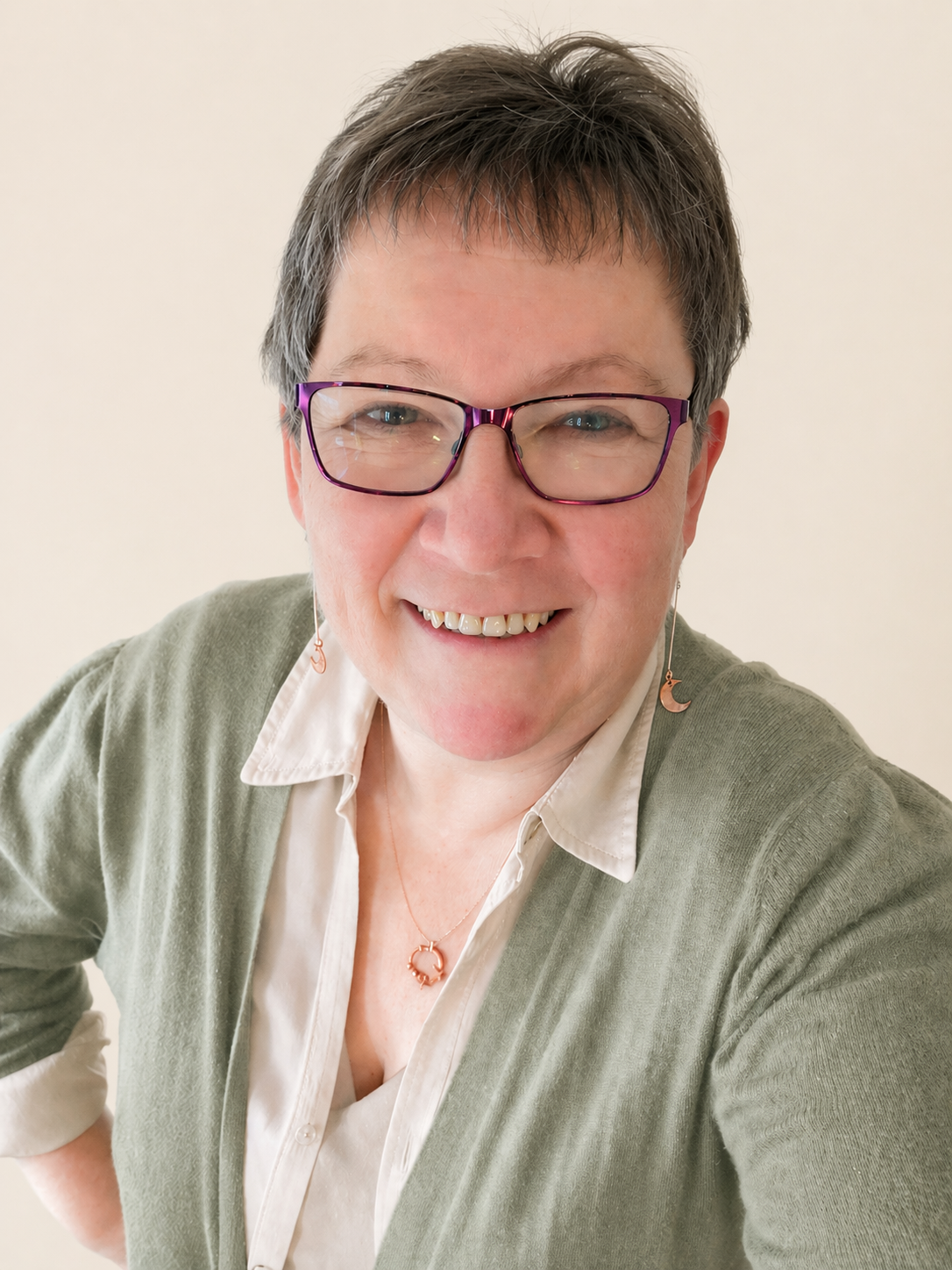
Written by Sharon McAllister — UK-qualified homeopath, former Registered Nurse of 35 years, and former Vice Principal of a homeopathy college.


