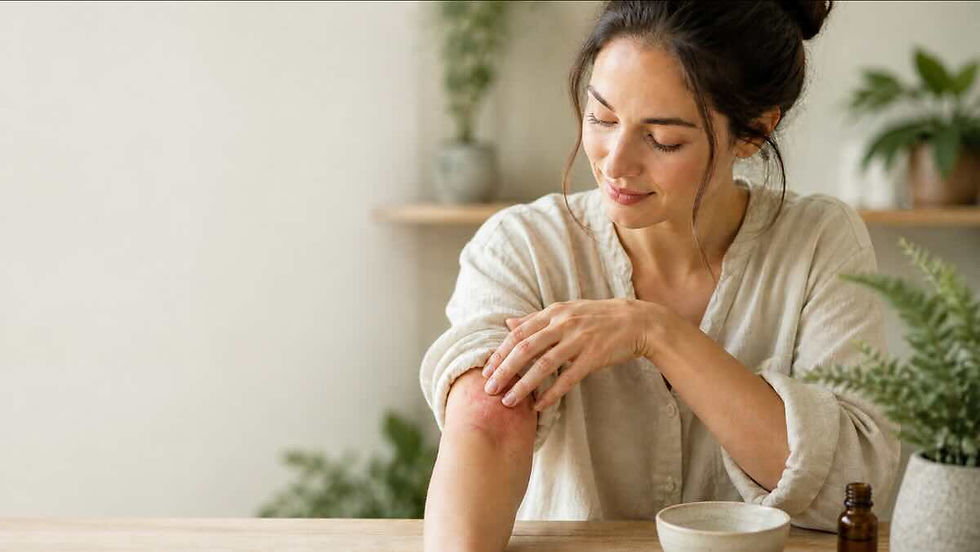
Homeopathic Remedies for Warts and Verrucas (Plantar Warts)


Are warts and verrucas the same thing?
Pretty much, yes. A verruca is simply a wart that has set up home on the sole of the foot, which is why you will also hear it called a plantar wart. Same tiny culprit, different address.
Warts are caused by a common virus, the human papillomavirus (HPV), which gets into the top layer of the skin, usually through a tiny scratch or break you never even noticed. They are very common, especially in children and teenagers, and they are annoying rather than dangerous. I’ve met more than a few people who would happily pay a small fortune to be rid of one on a fingertip or the bottom of a foot.
Verrucas are a little different from the rest. Because we walk on them, they get pressed inwards and can become flat, tender and surprisingly painful, often with tiny black dots in the middle.
Important note
This article is for general educational purposes only and is not a substitute for medical diagnosis or treatment. If you take prescribed medication or have an existing health condition, please speak to your doctor first.
The good news: most warts leave in their own time
Here’s something that is not said often enough. In people with healthy immune systems, most warts clear up by themselves. In children this often takes months to a couple of years, and in adults it can take longer. That is worth knowing, because it means any treatment, from the pharmacy shelf to a remedy, can seem to work simply because the wart was on its way out anyway.
I would rather tell you that than overpromise. Whatever you decide to do, patience is part of the picture.
When to get a wart looked at
Please see your doctor if:
you are not sure it is a wart. Anything that bleeds, changes shape or colour, looks dark or irregular, or doesn’t behave like a wart needs checking
it is on the face or the genitals. These need a medical opinion and are not for home treatment
it is painful, spreading fast or keeps coming back
you have diabetes, poor circulation or a weakened immune system, especially for anything on the feet
there are lots of them, or they have become infected
Stopping warts spreading
Warts spread by direct contact and by damp surfaces such as changing rooms and pool sides. A few simple habits help:
Wear flip-flops or pool shoes in communal showers and changing rooms
Don’t pick, scratch or bite warts, as this spreads the virus to new patches of skin
Keep towels, socks and shoes for yourself, and wash your hands after touching a wart
Use separate nail clippers and files, and don’t share a pumice stone with a wart
Keep feet clean and dry, and change socks daily
Cover a verruca with a waterproof plaster for swimming
How a homeopath looks at warts
A homeopath doesn’t just see the wart. We see you. It is the details that tell the story: what does it look like (soft and cauliflower-like, or hard and horny)? Is it tender, bleeding or smelly? Is it worse for damp weather, or for pressure on the sole? And what else is going on with you: how is your energy, your skin generally, your stress levels, your sleep?
That is why two people with warts can be given quite different remedies, and why you won’t find a single answer for warts on a shelf.
Commonly used homeopathic remedies for warts and verrucas
These are four remedies often described in homeopathic materia medica in connection with warts. They are traditional pictures, not advice to treat a wart yourself.
Thuja occidentalis
Thuja, made from the white cedar tree, is the remedy most often linked with warts in homeopathic tradition. The picture is of soft, fleshy or cauliflower-like warts, which may be crumbly or bleed easily, sometimes with sweaty, oily or unhealthy-looking skin.
Thuja may be considered where warts are soft, fleshy and cauliflower-like, and tend to come back.
Antimonium crudum
Antimonium crudum is associated with thick, hard, horny warts, especially on the soles of the feet, where they can make walking tender. The person is often described as sulky and easily irritated, and dislikes being looked at or touched.
Antimonium crudum may be considered where warts or verrucas are thick, hard and tender, with an irritable, touchy mood.
Nitricum acidum
Nitricum acidum is linked with jagged, cracked or splintery-looking warts that bleed easily when washed or touched, with sharp, sticking pains, as if from a splinter.
Nitricum acidum may be considered where warts bleed easily and bring sharp, sticking pains, with a prickly, irritable mood.
Causticum
Causticum is associated with hard, rough warts, often large, and particularly around the fingertips or the face. The person is often described as sensitive, sympathetic and easily affected by the troubles of others.
Causticum may be considered where warts are hard and rough, on the fingertips or face, in a sensitive, sympathetic person.
Using homeopathic remedies sensibly
Remedies are chosen for the whole person, not the wart alone, so one that suits somebody else may not suit you
Because warts so often clear by themselves, I would never claim that a remedy was the reason one went
Don’t be tempted by folk remedies such as greater celandine sap, which can irritate or burn the skin
For children, or for anything persistent, an individual consultation gives a far better fit than choosing from a list
Tell your doctor and your homeopath about everything you are taking
If a wart changes, bleeds, spreads or worries you, please seek medical advice
Related information
Warts are one of many skin patterns homeopaths look at. If you would like to read more, see my posts on Homeopathic Remedies for Eczema and Homeopathic Remedies for Psoriasis. To understand why remedies are so individual, have a look at Why Two People With the Same Symptoms May Need Different Remedies.
Individual Support
Warts and verrucas are rarely the whole story. A consultation gives us time to look at the whole person behind them, including how you are in yourself, not just what is on your skin.
In a first consultation, I would explore:
When the wart or verruca appeared, and anything that seemed to trigger it
How it looks and feels: its shape, texture, tenderness and where it sits
What makes it better or worse, including heat, damp, pressure and routine
The wider picture: skin, immunity, energy, sleep, appetite and stress
What you already do or take, and any diagnoses or medical checks you have had
How it all fits together as one whole-person pattern
If you would like to talk it through, I offer a free online intro call, with no obligation.
This article is for general educational purposes only and describes how remedies are understood within homeopathic philosophy. It is not a substitute for medical advice, diagnosis or treatment, and it is not a claim that any remedy treats or cures warts, verrucas or any other medical condition. If you are concerned about your health, please consult a qualified healthcare professional.
Sharon McAllister — UK-qualified homeopath, former Registered Nurse of 35 years, and former Vice Principal of a homeopathy college.