Homeopathy and Emotional Wellbeing: How a Homeopath Sees the Whole Person

How we feel in ourselves shapes everything — and emotional wellbeing is one of the areas where people most often wish to be seen as a whole person rather than a checklist. This post explains how a homeopath approaches it.
It is educational, not medical advice, and it makes no claim that homeopathy treats, cures or relieves anxiety, low mood, depression or any condition. The subject is how a homeopath looks.
Feeling is not separate from the rest
Emotional life does not sit apart from the body. It runs through sleep, energy, appetite and the way a person carries themselves. Homeopathy is built to look at exactly this kind of connected, whole-person picture rather than a single isolated symptom.
Homeopathy and emotional wellbeing: the whole person
When homeopathy and emotional wellbeing are considered together, a homeopath is not searching for "a remedy for anxiety" or "a remedy for low mood." There is no single remedy that matches a feeling-word, because each person's emotional state has its own texture and story.
Instead, the homeopath is interested in how this particular person feels and responds: what weighs on them, how it shows up, what steadies or unsettles them, and what they are like when life presses in.
Two people described as "anxious" may present completely different pictures. The homeopath works with the whole person, not the label.
What a homeopath listens for
The particular quality of the feeling, in the person's own words.
What makes it better or worse — company, solitude, rest, reassurance.
How it shows up in sleep, energy and the body.
What was happening when it began, and how it has changed.
An important boundary
This is a way of understanding, not a claim to treat a mental-health condition. A responsible homeopath works alongside your doctor and other professionals, recognises the limits of their role, and will encourage appropriate support — if you are struggling, please reach out to your GP or a qualified professional. Homeopathy and good mental-health care are not in competition.
What many people value in this approach is simply being met, unhurried, as a whole person.
If being seen this way appeals to you, an individual consultation is where it happens.
Individual Support
Emotional ups and downs are woven through the whole of a person. An individual consultation is a space to look at that whole picture, unhurried.
In a first consultation, I would explore:
When things began and whether there was a clear trigger
Exactly how you experience them, in your own words
What makes them better or worse — including stress, routine, and daily life
Your wider health picture — sleep, energy, appetite, and how long things have been going on
Anything you are already doing or taking, and any diagnoses you have
How it all fits together as one whole-person pattern
A consultation allows the full pattern to be explored properly, rather than focusing on one piece in isolation. You are welcome to book a free intro call to ask a question or to see whether working together feels right — in person in Malmö or online.
This article is educational and describes how a homeopath approaches the whole person. It is not medical advice and makes no claim to diagnose, treat, cure, or relieve anxiety, depression, low mood or any condition. Homeopathy is intended to complement, not replace, conventional medical and mental-health care. If you are struggling, please speak with your GP or a qualified professional.
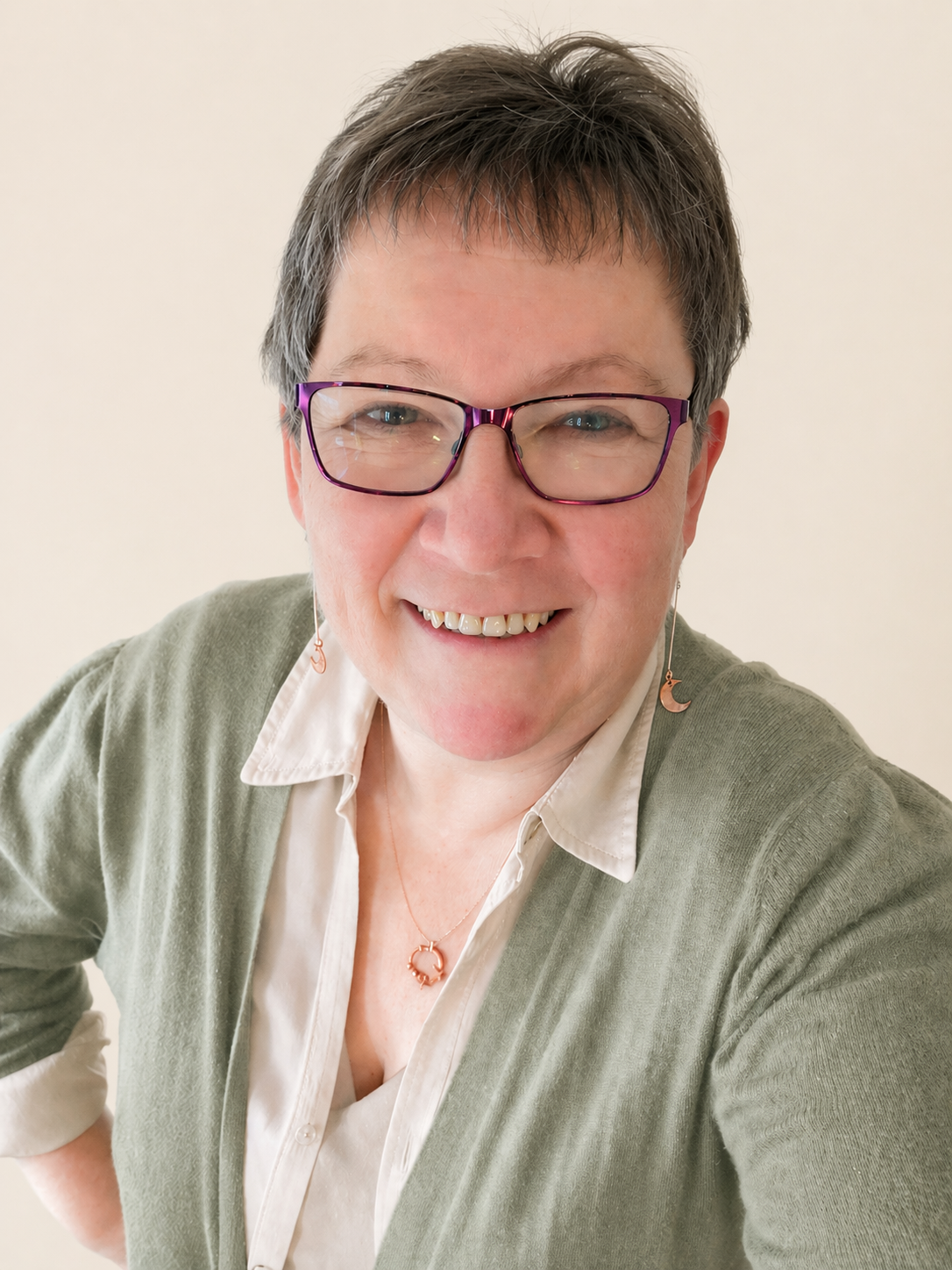
Written by Sharon McAllister — UK-qualified homeopath, former Registered Nurse of 35 years, and former Vice Principal of a homeopathy college.