
What Does a Homeopathic Practitioner Actually Do?

Most people have a rough idea of what a doctor or a physiotherapist does, but a homeopathic practitioner is more of a mystery. This post explains, plainly, what the work actually involves — how a homeopathic practitioner thinks, what happens in their care, and what training and standards sit behind it.
This is a description of the role. It is educational, not medical advice.
More than handing out remedies
The popular image of a homeopathic practitioner is someone who matches a little remedy to a complaint. The reality is quieter and more involved. The heart of the work is not the remedy at all — it is the listening.
A homeopathic practitioner spends most of a first appointment building a detailed picture of you as an individual: not just the reason you came, but how you experience things, what makes them better or worse, your sleep, energy, mood, history and temperament. This careful process, called case-taking, is the foundation of everything that follows.
How a homeopathic practitioner works
Once that picture is taken, a homeopathic practitioner turns to the materia medica — the body of recorded remedy "pictures" — to find the one whose pattern most closely resembles yours. The guiding principle is "like with like": a substance associated with a particular pattern is matched to a person showing a similar pattern.
The work is individual by design. Two people with the same complaint may be given different remedies, because the practitioner is matching the whole person, not the label. Follow-up appointments then review how things have unfolded and refine the picture over time.
A homeopathic practitioner is, in essence, a careful observer of patterns — in the person in front of them, and in the remedies they have studied.
Training and standards
In the UK, reputable homeopathic practitioners undertake several years of training in homeopathic philosophy, materia medica, and case management, and many register with professional bodies that set standards of practice and require ongoing professional development. When choosing anyone to work with on your health, it is reasonable to ask about their qualifications, experience and registration.
A background in conventional healthcare is not unusual either; some practitioners come to homeopathy after years in nursing or medicine, which shapes how carefully they recognise when something needs conventional attention.
Working alongside your doctor
A good homeopathic practitioner does not position themselves against conventional medicine. They will not ask you to stop prescribed treatment, they will keep within the limits of their role, and they will refer you onward when something calls for medical care. Many people work with a homeopath alongside their GP, not instead of them.
Understanding the role tends to make the idea of a first appointment far less mysterious — and, for many people, more appealing than they expected.
Individual Support
The clearest way to understand what a homeopathic practitioner does is to experience it. An individual consultation is where your whole picture is explored, at an unhurried pace.
In a first consultation, I would explore:
When things began and whether there was a clear trigger
Exactly how you experience them, in your own words
What makes them better or worse — including stress, routine, and daily life
Your wider health picture — sleep, energy, appetite, and how long things have been going on
Anything you are already doing or taking, and any diagnoses you have
How it all fits together as one whole-person pattern
A consultation allows the full pattern to be explored properly, rather than focusing on one piece in isolation. You are welcome to book a free intro call to ask a question or to see whether working together feels right — in person in Malmö or online.
This article is educational and describes the role of a homeopathic practitioner. It is not medical advice and makes no claim to diagnose, treat, or cure any condition. Homeopathy is intended to complement, not replace, conventional medical care.
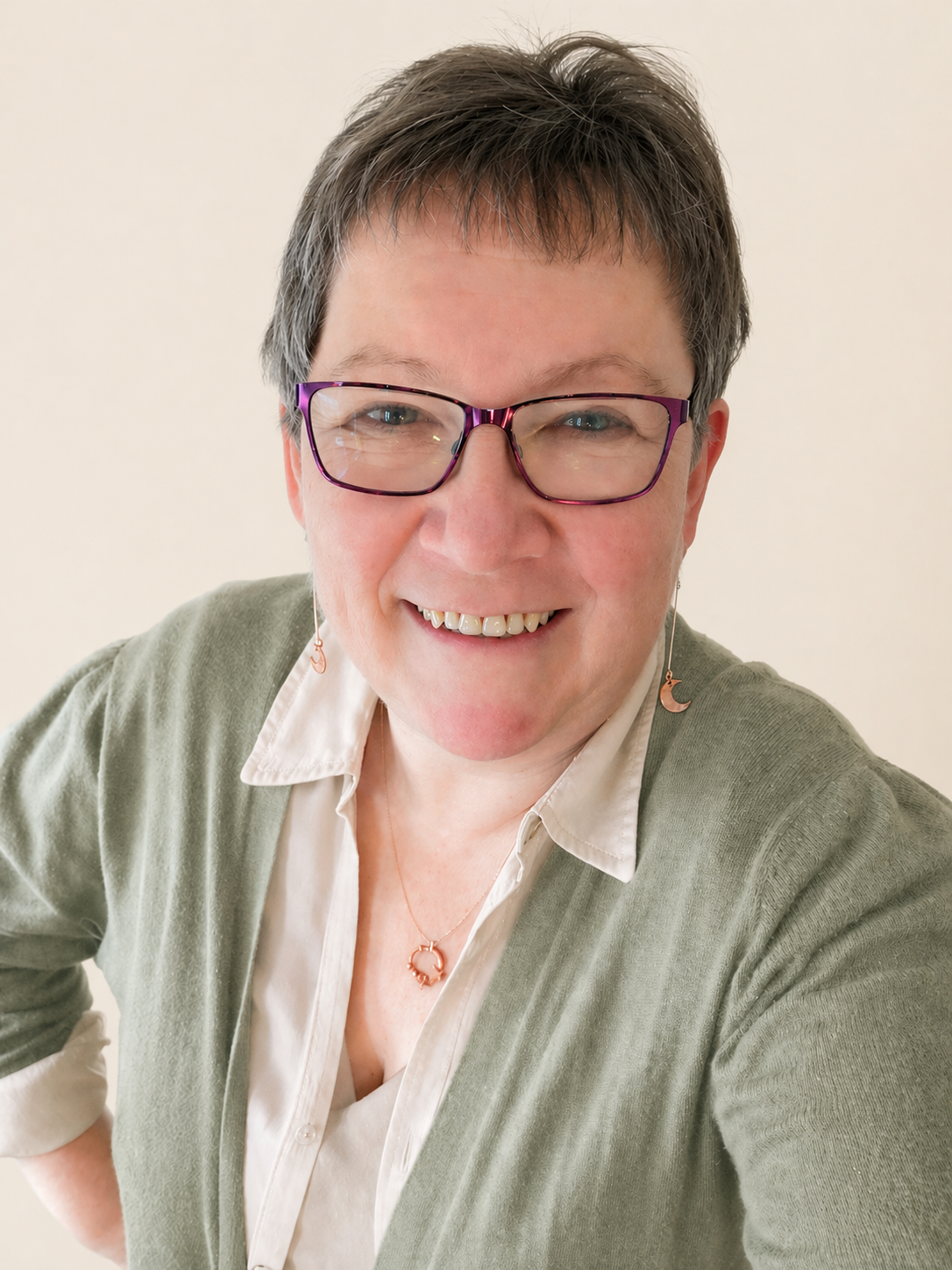
Written by Sharon McAllister — UK-qualified homeopath, former Registered Nurse of 35 years, and former Vice Principal of a homeopathy college.


